
Staying true to yourself can be difficult in a world that constantly encourages you to fit in.
This week’s episode I sat down with my little sister, Khadijah.
If you know her, you’ll know she’s someone who has never really followed the crowd. Not because she thinks she’s better than anyone, but because if she doesn’t like something, she genuinely just doesn’t do it.
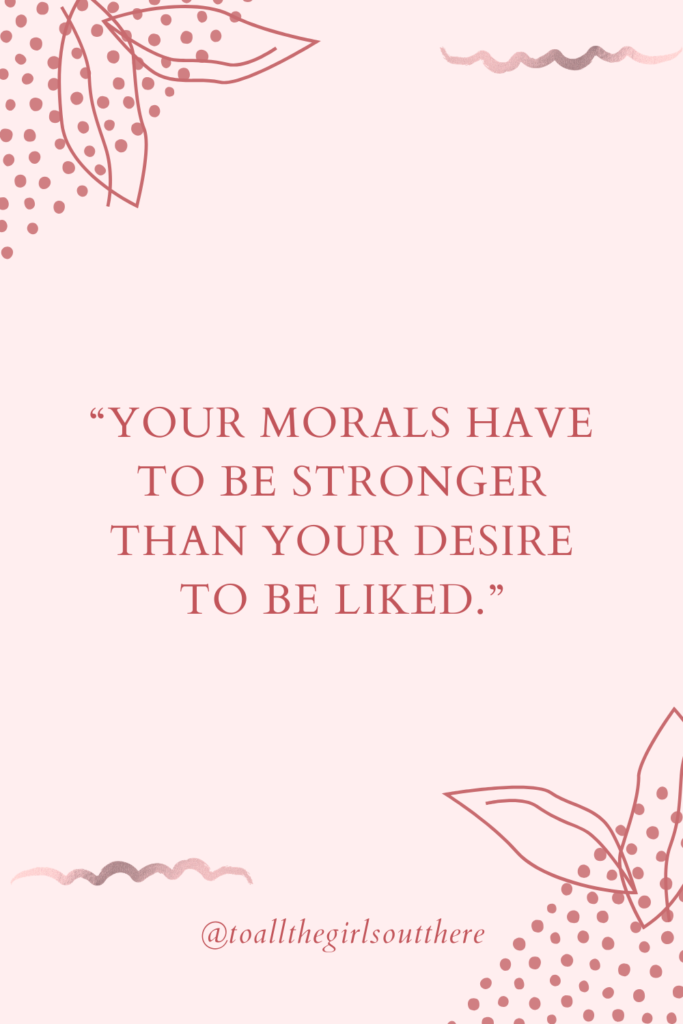
During our conversation, we spoke a lot about what it’s like growing up in a generation where so much pressure exists to fit in.Whether that’s dating, partying, smoking, drinking, talking to people you don’t actually like or pretending to enjoy things just because everyone else does. One of the things that Khadijah said that stood out was that staying true to yourself requires your morals have to be stronger than your desire to be liked.
Being yourself sounds simple, but it becomes much harder when people look. at you weird for doing so.
What Happens When You Don’t Follow the Crowd?
One of the first things we spoke about was the challenge of growing up in a generation where certain things are seen as the norm. Whether it’s partying, dating, drinking, smoking, or simply following what everyone else is doing, there can be a lot of pressure to fit in.
Whether we realise it or not, a lot of this comes down to peer pressure and the desire to belong.
Khadijah shared how she often feels out of place because she genuinely doesn’t enjoy many of the things her peers enjoy, and she doesn’t ant to force herself to do those things if they genuinely aren’t things that she likes. And the thing is people can look at you differently when you don’t. Sometimes, if enough people enjoy something, it almost becomes expected that everyone else should too.
It also made me think about how many people actually enjoy certain things because they genuinely like them, and how many enjoy them because they’ve been told that’s what they’re supposed to like. Staying true to yourself can feel uncomfortable when everyone is moving in the same direction, choosing a different path can feel uncomfortable. But as our conversation highlighted, staying true to yourself is often better than forcing yourself to fit somewhere you don’t belong.
The Difference Between Being Alone and Being Lonely
We spoke about a period in my sister’s life when she spent much of secondary school alone. It wasn’t because she disliked everyone around her or thought she was better than them. Rather, she recognised that many of the friendships she had didn’t truly align with who she was, and instead of forcing connections, she chose to step away.
And I know it took a lot to sit in that discomfort. We often hear people say that we should be comfortable in our own company, but the reality is that this isn’t always easy. Human beings naturally want connection. We want people around us who understand us, support us, and make us feel seen.
Choosing yourself, setting boundaries, and walking away from friendships that don’t align with you can sound empowering when people talk about it online. In reality, it can feel incredibly lonely. There were days she came home upset, days she questioned herself, and days when being alone felt harder than simply fitting in.
I think that’s an important conversation to have because so many girls find themselves in that exact position. We often assume that if someone spends a lot of time alone, there must be something wrong with them. But sometimes being alone isn’t a reflection of your worth. Sometimes it simply means you haven’t found your people yet.
Many people stay in friendships that drain them because they fear being seen alone. They worry more about what people might think than whether the people around them actually understand them. But loneliness is temporary. Pretending to be someone you’re not can become a lifestyle.
Learning to Enjoy Your Own Company
One thing Khadijah spoke about was using periods of loneliness as an opportunity to invest in yourself. Like reading, developing hobbies, and learning new skills. Discovering who you are outside of other people’s opinions.
It reminded me that being alone and being lonely are not always the same thing. Solitude can become a space for growth if you allow it to be. When you stop chasing validation from other people, you create room to discover what genuinely interests you, what brings you peace, and who you are when nobody else is influencing your decisions.
The most secure people aren’t always the ones with the biggest friendship groups. Often, they’re the people who know they’ll be okay with or without one.
Not Everything Deserves a Reaction
Another lesson from the conversation was about emotional reaction and regulation.
We spoke about how easy it is to react when we’re angry, frustrated, or hurt. Yet often, reacting immediately doesn’t solve the problem. In many cases, it only creates more problems. Learning to pause, reflect, and respond intentionally is something that takes practice, but it can completely change how we navigate difficult situations.
Not every frustrating situation needs to ruin your entire day.
Sometimes the most mature thing you can do is pause, calm down and ask yourself what actually helps the situation moving forward.
Friendship Is About More Than Having People Around You
We also spent a lot of time talking about friendships and REAL ones.
Friendship isn’t just about having people to go out with, take pictures with, or talk to when you’re bored. Real friendship runs much deeper than that. It’s about having people who genuinely care about you. People who support you when life becomes difficult. People who defend your name when you’re not in the room and who remain by your side when things aren’t going well.
Khadijah spoke about the importance of having friends who truly know you. The kind of friends who understand your character so well that they aren’t easily influenced by gossip, rumours or other people’s opinions. Friends who can communicate honestly when something is wrong, rather than allowing resentment to build.
Some of the people we connect with most deeply are often the people we would’ve overlooked if we’d only listened to other people’s opinions.
I’ve actually spoken about this before in my private podcast episode, Why Being Strict With Your Company Protects Your Peace, where I discuss why the people you surround yourself with have such a significant impact on your wellbeing, confidence and personal growth.
Confidence Starts From Within
One thing Khadijah repeatedly emphasised was the importance of believing that you are that girl. Not in an arrogant way. Not because you think you’re better than anyone else. But because you recognise your own value and refuse to let other people’s opinions determine how you feel about yourself.
And the thing is with confidence is that it isn’t something that magically appears one day. It starts with the way you speak to yourself, the way you carry yourself, and the way you choose to see yourself every day.
Because confidence that is built entirely on external validation is fragile. If your confidence depends on likes, compliments, attention or approval from other people, it can disappear the moment those things do. But confidence that comes from within is much harder to tear down.
The truth is that people will always have opinions. Some people will like you, some people won’t. Some people will understand you, some people won’t. If your self-worth rises and falls with every opinion, you’ll spend your life feeling uncertain about who you are.
Real confidence is often the result of staying true to yourself, even when other people don’t understand your choices. It comes from knowing your value before the world confirms it. Because when you truly believe in yourself, other people’s validation becomes a bonus rather than a necessity.
Final Reflections
Looking back on this conversation, I think the biggest lesson I took away is that staying true to yourself comes with a cost, but it’s worth paying.
There will be moments when staying true to yourself feels lonely. There will be times when people misunderstand you or question why you move differently. But constantly changing yourself to gain approval is far more exhausting.
The right people won’t require you to abandon your values, your personality, or your voice. They’ll appreciate those things because they’re part of what makes you who you are.
If This Resonated
Don’t forget that the full conversation with Khadijah is attached to this post, where we go even deeper into friendship, confidence, loneliness, self-worth and what it means to stay true to yourself in a world that constantly encourages you to fit in.
If this conversation connected with where you’re at right now, you might also enjoy:
How to Stop Comparing Yourself to Other Women — We Can Both Be That Girl
A reminder that another woman’s beauty, success or confidence doesn’t take anything away from your own.
Women Are Not Your Competition: Comparison & Anxiety
A deeper conversation about comparison, insecurity and learning to stop viewing other women as rivals.
Why Being Strict With Your Company Protects Your Peace (Private Podcast Episode)
A conversation about friendship, boundaries and why the people around you can either protect or drain your peace.
I’d also highly recommend listening to Self-Worth and Identity as a Young Woman, where we explore how your sense of self is formed and why true confidence has to come from within rather than external validation.
Remember: staying true to yourself isn’t always easy. It can feel lonely, uncomfortable and misunderstood at times. But the right people won’t require you to become someone else in order to belong.